Vinyl fencing has quickly become one of the most popular choices for modern homeowners seeking an attractive, low-maintenance boundary for their property. Unlike traditional wood, which requires regular staining, or iron, which can succumb to rust, high-grade polyvinyl chloride (PVC) offers exceptional resistance to the elements. However, low-maintenance does not mean zero maintenance. Over years of exposure to harsh sun, shifting weather, and mechanical impacts, even durable vinyl can eventually show signs of wear, such as fading, discoloration, or brittle cracking.
Taking proactive care of your investment ensures that your fence retains its clean aesthetic and structural strength for decades. Partnering with a knowledgeable fence contractor during the selection and installation process lays the foundation for success, but ongoing preventive maintenance is what keeps the material looking brand-new season after season.
Understanding the Causes of Fading and UV Damage
The primary culprit behind vinyl fading and surface chalking is prolonged ultraviolet (UV) radiation from direct sunlight. Over time, UV rays break down the chemical bonds on the surface of raw plastic, causing vibrant colors to lose their richness and white finishes to develop a chalky, yellowed appearance.
Modern high-quality vinyl fencing is manufactured with titanium dioxide (TiO2), a critical chemical additive that acts as a sunscreen for the material by reflecting harmful ultraviolet rays.
To minimize UV degradation, make sure to clean the surface periodically to prevent dirt, pollen, and environmental pollutants from baking into the outer layer under intense summer heat. Washing your fence once or twice a year with a mild solution of dish soap, warm water, and a soft microfiber cloth or non-abrasive sponge removes built-up grime before it can react with sunlight. Avoid using harsh chemical solvents, bleach concentrates, or abrasive scouring pads, as these can strip away the protective UV-inhibiting topcoat engineered into the vinyl panels.
Preventing Brittle Cracks and Impact Damage
While UV light affects the color of your fence, extreme temperature fluctuations primarily impact its structural flexibility. Vinyl expands when heated and contracts when frozen. During freezing winter temperatures, the material naturally becomes stiffer and more brittle, making it far more susceptible to cracking upon sudden physical impact.
Preventing impact damage during cold weather relies heavily on managing your surrounding landscape:
- Trim Nearby Tree Branches: Heavy snow accumulation or winter winds can snap dead tree limbs, dropping them directly onto your fence line and causing severe panel fractures.
- Maintain Mowing Clearances: Lawn mowers and string trimmers are major causes of vinyl cracking near the ground level. Keep grass and weeds trimmed back manually around post bases, or maintain a small gravel border to keep heavy power equipment safely away from the plastic.
- Educate Family Members: Advise children against kicking soccer balls or throwing heavy sporting equipment directly against vinyl panels during cold spells when the material is at its highest brittleness.
The Role of Proper Installation in Structural Longevity
Many instances of cracked or warped vinyl fencing stem not from material defects, but from improper initial installation. Vinyl posts need sufficient space within their concrete footings to handle seasonal thermal movement. If posts are secured too tightly without adequate expansion gaps, or if horizontal rails are fastened incorrectly, normal thermal expansion can cause the panels to bow, twist, or split under internal pressure.
Hiring a certified fence contractor ensures that your installation accounts for local soil conditions, frost depth lines, and thermal movement tolerances. Professional installers set posts beneath the regional frost line and utilize specialized mounting hardware designed to let vinyl expand and contract freely without stress fractures. If you notice a post shifting or leaning after a severe freeze-thaw cycle, consulting an experienced fence contractor to re-level the post can prevent localized tension from cracking adjacent panels.
Safe Removal of Mildew and Algae Growth
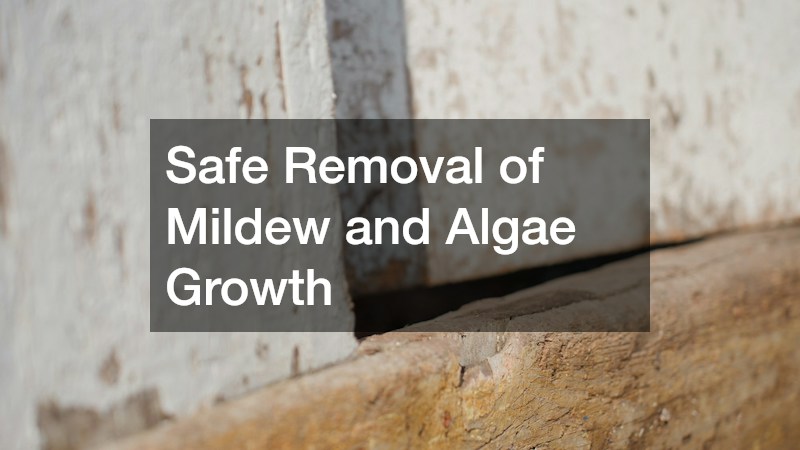
In shaded or high-moisture areas of your yard, green algae, dark mildew, and mold spores can take root on the surface of vinyl panels. While mildew itself does not directly eat into synthetic PVC the way wood rot destroys timber, it creates an unappealing surface layer that traps heat and moisture, accelerating localized surface wear.
Address organic growth as soon as it appears by spraying the affected area with a mix of water and mild vinegar, or a commercially available vinyl-safe outdoor cleaner. Let the solution sit for several minutes to break down the organic matter, then gently scrub with a soft-bristled brush and rinse thoroughly with a standard garden hose. Avoid using high-pressure power washers at close range; excessive water pressure can micro-fracture the top layer of the vinyl or force water into internal structural cavities, creating long-term moisture issues inside the posts.
By combining proper professional installation, routine gentle cleaning, proactive landscape trimming, and sensible impact protection, you can safeguard your vinyl fence against environmental weathering. A small amount of seasonal attention goes a long way toward keeping your outdoor boundary secure, bright, and crack-free for years to come.